

ICT and Internet Engineering -Università degli Studi di Roma Tor Vergata
Also known as University of Tor Vergata, University of Rome Tor Vergata is a public research university located in Rome, Italy. Located in the southeastern suburb of Rome, the university combines a liberal arts tradition with emphasis on career orientation in the field of Economics, Engineering, Mathematics and Physics, Natural Sciences, and Medicine.

Chemistry for Nano-Engineering -Università degli Studi di Roma Tor Vergata
Also known as University of Tor Vergata, University of Rome Tor Vergata is a public research university located in Rome, Italy. Located in the southeastern suburb of Rome, the university combines a liberal arts tradition with emphasis on career orientation in the field of Economics, Engineering, Mathematics and Physics, Natural Sciences, and Medicine.

Physics of Complex Systems and Big Data -Università degli Studi di Roma Tor Vergata
Also known as University of Tor Vergata, University of Rome Tor Vergata is a public research university located in Rome, Italy. Located in the southeastern suburb of Rome, the university combines a liberal arts tradition with emphasis on career orientation in the field of Economics, Engineering, Mathematics and Physics, Natural Sciences, and Medicine.

Mechatronics Engineering -Università degli Studi di Roma Tor Vergata
Also known as University of Tor Vergata, University of Rome Tor Vergata is a public research university located in Rome, Italy. Located in the southeastern suburb of Rome, the university combines a liberal arts tradition with emphasis on career orientation in the field of Economics, Engineering, Mathematics and Physics, Natural Sciences, and Medicine.

Physics of Fundamental Interactions and Experimental Techniques -Università degli Studi di Roma Tor Vergata
Also known as University of Tor Vergata, University of Rome Tor Vergata is a public research university located in Rome, Italy. Located in the southeastern suburb of Rome, the university combines a liberal arts tradition with emphasis on career orientation in the field of Economics, Engineering, Mathematics and Physics, Natural Sciences, and Medicine.

Astrophysics -Università degli Studi di Roma Tor Vergata
Also known as University of Tor Vergata, University of Rome Tor Vergata is a public research university located in Rome, Italy. Located in the southeastern suburb of Rome, the university combines a liberal arts tradition with emphasis on career orientation in the field of Economics, Engineering, Mathematics and Physics, Natural Sciences, and Medicine.
MASTER’S DEGREES IN COMPUTER STUDIES

High Performance Computing Engineering -Politecnico di Milano
Founded in 1863 by Francesco Brioschi, the Politecnico di Milano has played a crucial role in the scientific and technological development of the country. Over time, it has expanded its territorial presence, establishing direct contact with local communities. At the same time, it has established relationships and alliances with the leading international technological universities. Today, Politecnico di Milano is recognized as a centre of excellence in Engineering, Architecture and Design.

Cybersecurity Engineering -Politecnico di Torino
Politecnico di Torino was the first Italian Engineering School founded in the wave of the technical and scientific innovation that gave rise to the most prestigious European polytechnic schools in the mid-19th century. Founded as School for Engineers in 1859, it then became Regio Politecnico di Torino in 1906. Engineers, architects, designers and urban planners have been trained at Politecnico di Torino for over 160 years with rigor, integrity and high-level standards.
Cybersecurity Engineering -La Sapienza University
Founded in 1303 by Pope Boniface VIII, La Sapienza is one of the oldest Italian universities. In the seven centuries since its foundation, it has been at the centre of the history of Rome and the entire country; first as a university linked to the Popes, then as an autonomous Studium Urbis, gradually extending its academic prestige to new disciplines, both scientific and humanistic, and moving from its seat in Trastevere to the Sapienza building in the Sant’Eustachio district and then to current Main Campus. Today, thanks to a large campus just a few steps away from Termini central station and several branches in the metropolitan area, Sapienza is a proper research university where you can research and study in all academic areas, placed among the top Italian universities in the main international rankings.
Cybersecurity Engineering -Università di Padova
The University of Padua was established in 1222, after a group of students and teachers decided to come here from Bologna. They set up a free body of scholars, who were grouped according to their place of origin into nationes, in which students approved statutes, elected the rettore (rector, or chancellor) and chose their teachers, who were paid with money the students collected. Defending freedom of thought in study and teaching became a distinctive feature which today lives on in the University motto: Universa Universis Patavina Libertas.
The introduction of empirical and experimental methods together with the teaching of theory marked the dawn of a golden age. In the 16th and 17th centuries, Padua became a workshop of ideas and the home to figures who changed the cultural and scientific history of humanity. They included Andrea Vesalio, who founded modern anatomy, as well as the astronomer Copernicus, and Galileo, who observed the skies here.
Cybersecurity Engineering -Università di Pisa
Officially founded in 1343, the University of Pisa has deep roots in Italian and European history. Its origins probably date back to the eleventh century. In the twelfth century Pisa already boasted a “Universitas” in the original sense of the word: a community of students and lecturers. Leonardo Fibonacci, the famous mathematician who introduced Greek geometry and Arabic mathematics to Europe, worked here.
In 1343, Pope Clement VI’s bull In Supremae Dignitatis officially recognised the University as a Studio Generale, granting it unique privileges and autonomy that were only afforded to other European cities such as Prague and Heidelberg

Data Science and Engineering -Politecnico di Torino
Politecnico di Torino was the first Italian Engineering School founded in the wave of the technical and scientific innovation that gave rise to the most prestigious European polytechnic schools in the mid-19th century. Founded as School for Engineers in 1859, it then became Regio Politecnico di Torino in 1906. Engineers, architects, designers and urban planners have been trained at Politecnico di Torino for over 160 years with rigor, integrity and high-level standards.

ICT Engineering for Smart Cities -Politecnico di Torino
Politecnico di Torino was the first Italian Engineering School founded in the wave of the technical and scientific innovation that gave rise to the most prestigious European polytechnic schools in the mid-19th century. Founded as School for Engineers in 1859, it then became Regio Politecnico di Torino in 1906. Engineers, architects, designers and urban planners have been trained at Politecnico di Torino for over 160 years with rigor, integrity and high-level standards.

Computer Science and Engineering -Politecnico di Milano
Founded in 1863 by Francesco Brioschi, the Politecnico di Milano has played a crucial role in the scientific and technological development of the country. Over time, it has expanded its territorial presence, establishing direct contact with local communities. At the same time, it has established relationships and alliances with the leading international technological universities. Today, Politecnico di Milano is recognized as a centre of excellence in Engineering, Architecture and Design.

Computer Science -La Sapienza University
Founded in 1303 by Pope Boniface VIII, La Sapienza is one of the oldest Italian universities. In the seven centuries since its foundation, it has been at the centre of the history of Rome and the entire country; first as a university linked to the Popes, then as an autonomous Studium Urbis, gradually extending its academic prestige to new disciplines, both scientific and humanistic, and moving from its seat in Trastevere to the Sapienza building in the Sant’Eustachio district and then to current Main Campus. Today, thanks to a large campus just a few steps away from Termini central station and several branches in the metropolitan area, Sapienza is a proper research university where you can research and study in all academic areas, placed among the top Italian universities in the main international rankings.

Computer Science and Information Technology -Università Cà Foscari di Venezia
Founded in 1868 as the first School of Commerce in Italy, Ca’ Foscari University has welcomed a dynamic academic community for over 150 years in the heart of Venice. Constantly innovating its educational offer, Ca’ Foscari guarantees excellence and multidisciplinary learning, as confirmed by its rankings in national and international league tables and its impressive post-graduation employment rates.

Cognitive Science Computer Science -Università di Trento
Founded in 1962, the University of Trento has focused on building alliances and partnerships with Italian and foreign institutions and organizations. In 1982, the Free University of Trento was transformed into a state university, with a statute that guaranteed self-governance.

Human-Computer Interaction -Università di Trento
Founded in 1962, the University of Trento has focused on building alliances and partnerships with Italian and foreign institutions and organizations. In 1982, the Free University of Trento was transformed into a state university, with a statute that guaranteed self-governance.

Data Science -Università Bicocca di Milano
Founded in 1998, the University of Milano-Bicocca has grown rapidly to become a central figure in the higher education and research landscape. The University’s modernity is reflected in its innovative approach to teaching and its commitment to fostering an inclusive and future-oriented academic environment.
Located in the northern part of the city, in an area specifically designed as an educational and research hub, the University benefits from state-of-the-art facilities and a strategic location. The Bicocca district has been designed to integrate educational institutions, research centres and industry, creating an ecosystem that fosters collaboration and innovation.
Data Science -La Sapienza University
Founded in 1303 by Pope Boniface VIII, La Sapienza is one of the oldest Italian universities. In the seven centuries since its foundation, it has been at the centre of the history of Rome and the entire country; first as a university linked to the Popes, then as an autonomous Studium Urbis, gradually extending its academic prestige to new disciplines, both scientific and humanistic, and moving from its seat in Trastevere to the Sapienza building in the Sant’Eustachio district and then to current Main Campus. Today, thanks to a large campus just a few steps away from Termini central station and several branches in the metropolitan area, Sapienza is a proper research university where you can research and study in all academic areas, placed among the top Italian universities in the main international rankings.
Data Science -Università di Genova
The University of Genoa was founded in 1481 in Genoa, Italy. The University has become one of the scientific and cultural centres of the Mediterranean and Northwestern Italy. In addition to working together with IIT, the Italian Institute of Technology, it is at the forefront in Europe with the education it provides and research in the field of computer science.
Genova is also a port city. Since shipping is highly developed in the city, departments in this field step forward at the university and these departments have achieved higher successes in their fields.
Data Science -University of Verona
The University of Verona strives to strengthen its international dimension and to enhance cultural diversity.
The presence of international students is the keystone for the implementation of such policy and, for this very reason, the University promotes on a yearly basis calls for applications for the awarding of support and benefits for EU and non-UE citizens holding a foreign degree and living outside Italy.
Data Science -Università di Padova
The University of Padua was established in 1222, after a group of students and teachers decided to come here from Bologna. They set up a free body of scholars, who were grouped according to their place of origin into nationes, in which students approved statutes, elected the rettore (rector, or chancellor) and chose their teachers, who were paid with money the students collected. Defending freedom of thought in study and teaching became a distinctive feature which today lives on in the University motto: Universa Universis Patavina Libertas.
The introduction of empirical and experimental methods together with the teaching of theory marked the dawn of a golden age. In the 16th and 17th centuries, Padua became a workshop of ideas and the home to figures who changed the cultural and scientific history of humanity. They included Andrea Vesalio, who founded modern anatomy, as well as the astronomer Copernicus, and Galileo, who observed the skies here.
Data Science -Università di Trento
Founded in 1962, the University of Trento has focused on building alliances and partnerships with Italian and foreign institutions and organizations. In 1982, the Free University of Trento was transformed into a state university, with a statute that guaranteed self-governance.

ICT for Internet and Multimedia -Università di Padova
The University of Padua was established in 1222, after a group of students and teachers decided to come here from Bologna. They set up a free body of scholars, who were grouped according to their place of origin into nationes, in which students approved statutes, elected the rettore (rector, or chancellor) and chose their teachers, who were paid with money the students collected. Defending freedom of thought in study and teaching became a distinctive feature which today lives on in the University motto: Universa Universis Patavina Libertas.
The introduction of empirical and experimental methods together with the teaching of theory marked the dawn of a golden age. In the 16th and 17th centuries, Padua became a workshop of ideas and the home to figures who changed the cultural and scientific history of humanity. They included Andrea Vesalio, who founded modern anatomy, as well as the astronomer Copernicus, and Galileo, who observed the skies here.

Cyber Risk Strategy and Governance -Politecnico di Milano
Founded in 1863 by Francesco Brioschi, the Politecnico di Milano has played a crucial role in the scientific and technological development of the country. Over time, it has expanded its territorial presence, establishing direct contact with local communities. At the same time, it has established relationships and alliances with the leading international technological universities. Today, Politecnico di Milano is recognized as a centre of excellence in Engineering, Architecture and Design.

Artificial Intelligence and Robotics -La Sapienza University
Founded in 1303 by Pope Boniface VIII, La Sapienza is one of the oldest Italian universities. In the seven centuries since its foundation, it has been at the centre of the history of Rome and the entire country; first as a university linked to the Popes, then as an autonomous Studium Urbis, gradually extending its academic prestige to new disciplines, both scientific and humanistic, and moving from its seat in Trastevere to the Sapienza building in the Sant’Eustachio district and then to current Main Campus. Today, thanks to a large campus just a few steps away from Termini central station and several branches in the metropolitan area, Sapienza is a proper research university where you can research and study in all academic areas, placed among the top Italian universities in the main international rankings.

Human-Centred Artificial Intelligence -Università Bicocca di Milano
Founded in 1998, the University of Milano-Bicocca has grown rapidly to become a central figure in the higher education and research landscape. The University’s modernity is reflected in its innovative approach to teaching and its commitment to fostering an inclusive and future-oriented academic environment.
Located in the northern part of the city, in an area specifically designed as an educational and research hub, the University benefits from state-of-the-art facilities and a strategic location. The Bicocca district has been designed to integrate educational institutions, research centres and industry, creating an ecosystem that fosters collaboration and innovation.

Artificial intelligence and data engineering -Università di Pisa
Officially founded in 1343, the University of Pisa has deep roots in Italian and European history. Its origins probably date back to the eleventh century. In the twelfth century Pisa already boasted a “Universitas” in the original sense of the word: a community of students and lecturers. Leonardo Fibonacci, the famous mathematician who introduced Greek geometry and Arabic mathematics to Europe, worked here.
In 1343, Pope Clement VI’s bull In Supremae Dignitatis officially recognised the University as a Studio Generale, granting it unique privileges and autonomy that were only afforded to other European cities such as Prague and Heidelberg.

Artificial intelligence for science and technology -Università di Padova
The University of Padua was established in 1222, after a group of students and teachers decided to come here from Bologna. They set up a free body of scholars, who were grouped according to their place of origin into nationes, in which students approved statutes, elected the rettore (rector, or chancellor) and chose their teachers, who were paid with money the students collected. Defending freedom of thought in study and teaching became a distinctive feature which today lives on in the University motto: Universa Universis Patavina Libertas.
The introduction of empirical and experimental methods together with the teaching of theory marked the dawn of a golden age. In the 16th and 17th centuries, Padua became a workshop of ideas and the home to figures who changed the cultural and scientific history of humanity. They included Andrea Vesalio, who founded modern anatomy, as well as the astronomer Copernicus, and Galileo, who observed the skies here.
In 1343, Pope Clement VI’s bull In Supremae Dignitatis officially recognised the University as a Studio Generale, granting it unique privileges and autonomy that were only afforded to other European cities such as Prague and Heidelberg.
Artificial intelligence for science and technology -Università di Pavia
The University of Pavia is a campus of 26,000 students deeply integrated with a medium-sized city, uncrowded, where everything you need is within a fifteen-minute walk. Here, it’s easier to meet to learn, work, and live, thanks to short distances and the quality of services for the student community.

Artificial Intelligence Systems -Università di Trento
Founded in 1962, the University of Trento has focused on building alliances and partnerships with Italian and foreign institutions and organizations. In 1982, the Free University of Trento was transformed into a state university, with a statute that guaranteed self-governance.

Digital and Interaction Design -Politecnico di Milano
Founded in 1863 by Francesco Brioschi, the Politecnico di Milano has played a crucial role in the scientific and technological development of the country. Over time, it has expanded its territorial presence, establishing direct contact with local communities. At the same time, it has established relationships and alliances with the leading international technological universities. Today, Politecnico di Milano is recognized as a centre of excellence in Engineering, Architecture and Design.
MASTER’S DEGREES IN BUSINESS STUDIES

Economics and Data Analysis -University of Verona
The University of Verona strives to strengthen its international dimension and to enhance cultural diversity.
The presence of international students is the keystone for the implementation of such policy and, for this very reason, the University promotes on a yearly basis calls for applications for the awarding of support and benefits for EU and non-UE citizens holding a foreign degree and living outside Italy.

Computational Finance -Università di Padova
The University of Padua was established in 1222, after a group of students and teachers decided to come here from Bologna. They set up a free body of scholars, who were grouped according to their place of origin into nationes, in which students approved statutes, elected the rettore (rector, or chancellor) and chose their teachers, who were paid with money the students collected. Defending freedom of thought in study and teaching became a distinctive feature which today lives on in the University motto: Universa Universis Patavina Libertas.
The introduction of empirical and experimental methods together with the teaching of theory marked the dawn of a golden age. In the 16th and 17th centuries, Padua became a workshop of ideas and the home to figures who changed the cultural and scientific history of humanity. They included Andrea Vesalio, who founded modern anatomy, as well as the astronomer Copernicus, and Galileo, who observed the skies here.

Finance and banking -Università degli Studi di Roma Tor Vergata
Also known as University of Tor Vergata, University of Rome Tor Vergata is a public research university located in Rome, Italy. Located in the southeastern suburb of Rome, the university combines a liberal arts tradition with emphasis on career orientation in the field of Economics, Engineering, Mathematics and Physics, Natural Sciences, and Medicine.

Data Analytics for Business and Society -Università Cà Foscari di Venezia
Founded in 1868 as the first School of Commerce in Italy, Ca’ Foscari University has welcomed a dynamic academic community for over 150 years in the heart of Venice. Constantly innovating its educational offer, Ca’ Foscari guarantees excellence and multidisciplinary learning, as confirmed by its rankings in national and international league tables and its impressive post-graduation employment rates.

Economics, Finance and Sustainability -Università Cà Foscari di Venezia
Founded in 1868 as the first School of Commerce in Italy, Ca’ Foscari University has welcomed a dynamic academic community for over 150 years in the heart of Venice. Constantly innovating its educational offer, Ca’ Foscari guarantees excellence and multidisciplinary learning, as confirmed by its rankings in national and international league tables and its impressive post-graduation employment rates.

Management for Sustainable Firms -Università di Padova
The University of Padua was established in 1222, after a group of students and teachers decided to come here from Bologna. They set up a free body of scholars, who were grouped according to their place of origin into nationes, in which students approved statutes, elected the rettore (rector, or chancellor) and chose their teachers, who were paid with money the students collected. Defending freedom of thought in study and teaching became a distinctive feature which today lives on in the University motto: Universa Universis Patavina Libertas.
The introduction of empirical and experimental methods together with the teaching of theory marked the dawn of a golden age. In the 16th and 17th centuries, Padua became a workshop of ideas and the home to figures who changed the cultural and scientific history of humanity. They included Andrea Vesalio, who founded modern anatomy, as well as the astronomer Copernicus, and Galileo, who observed the skies here.

Accounting, Finance and Business Consulting -Università di Padova
The University of Padua was established in 1222, after a group of students and teachers decided to come here from Bologna. They set up a free body of scholars, who were grouped according to their place of origin into nationes, in which students approved statutes, elected the rettore (rector, or chancellor) and chose their teachers, who were paid with money the students collected. Defending freedom of thought in study and teaching became a distinctive feature which today lives on in the University motto: Universa Universis Patavina Libertas.
The introduction of empirical and experimental methods together with the teaching of theory marked the dawn of a golden age. In the 16th and 17th centuries, Padua became a workshop of ideas and the home to figures who changed the cultural and scientific history of humanity. They included Andrea Vesalio, who founded modern anatomy, as well as the astronomer Copernicus, and Galileo, who observed the skies here.

Applied Economics -Università di Padova
The University of Padua was established in 1222, after a group of students and teachers decided to come here from Bologna. They set up a free body of scholars, who were grouped according to their place of origin into nationes, in which students approved statutes, elected the rettore (rector, or chancellor) and chose their teachers, who were paid with money the students collected. Defending freedom of thought in study and teaching became a distinctive feature which today lives on in the University motto: Universa Universis Patavina Libertas.
The introduction of empirical and experimental methods together with the teaching of theory marked the dawn of a golden age. In the 16th and 17th centuries, Padua became a workshop of ideas and the home to figures who changed the cultural and scientific history of humanity. They included Andrea Vesalio, who founded modern anatomy, as well as the astronomer Copernicus, and Galileo, who observed the skies here.

Master's degree in human resources -Università Statale di Milano
Also known as ‘La Statale’, the University of Milan is, relatively speaking, one of Italy’s younger university institutions. It was founded in 1924 thanks to the tenacious efforts of doctor and gynaecologist Luigi Mangiagalli, who in creating La Statale, realised his long-held dream of building a university for Lombardy’s regional capital.

Quantitative Finance and Insurance -Università di Torino
The University of Turin is one of the most ancient and prestigious Italian Universities.
Hosting almost 80.000 students (2021-2022 academic years) and with 120 buildings in different areas in Turin and in key places in Piedmont, the University of Turin can be considered as “city-within-a-city”, promoting culture and producing research, innovation, training and employment.
The University of Turin is today one of the largest Italian Universities, open to international research and training. It carries out scientific research and organizes courses in all disciplines, except for Engineering and Architecture. It is an integral part of the community, acting for reviving urban and suburban areas, promoting cultural interaction, social integration and development, encouraging dialogue and insight into current realities.
Quantitative Finance and Insurance -Università Statale di Milano
Also known as ‘La Statale’, the University of Milan is, relatively speaking, one of Italy’s younger university institutions. It was founded in 1924 thanks to the tenacious efforts of doctor and gynaecologist Luigi Mangiagalli, who in creating La Statale, realised his long-held dream of building a university for Lombardy’s regional capital.
Quantitative Finance and Insurance -Università Bicocca di Milano
Founded in 1998, the University of Milano-Bicocca has grown rapidly to become a central figure in the higher education and research landscape. The University’s modernity is reflected in its innovative approach to teaching and its commitment to fostering an inclusive and future-oriented academic environment.
Located in the northern part of the city, in an area specifically designed as an educational and research hub, the University benefits from state-of-the-art facilities and a strategic location. The Bicocca district has been designed to integrate educational institutions, research centres and industry, creating an ecosystem that fosters collaboration and innovation.

Finance -Università di Pavia
The University of Pavia is a campus of 26,000 students deeply integrated with a medium-sized city, uncrowded, where everything you need is within a fifteen-minute walk. Here, it’s easier to meet to learn, work, and live, thanks to short distances and the quality of services for the student community.

International business and entrepreneurship -Università di Pavia
The University of Pavia is a campus of 26,000 students deeply integrated with a medium-sized city, uncrowded, where everything you need is within a fifteen-minute walk. Here, it’s easier to meet to learn, work, and live, thanks to short distances and the quality of services for the student community.

Business Management -La Sapienza University
Founded in 1303 by Pope Boniface VIII, La Sapienza is one of the oldest Italian universities. In the seven centuries since its foundation, it has been at the centre of the history of Rome and the entire country; first as a university linked to the Popes, then as an autonomous Studium Urbis, gradually extending its academic prestige to new disciplines, both scientific and humanistic, and moving from its seat in Trastevere to the Sapienza building in the Sant’Eustachio district and then to current Main Campus. Today, thanks to a large campus just a few steps away from Termini central station and several branches in the metropolitan area, Sapienza is a proper research university where you can research and study in all academic areas, placed among the top Italian universities in the main international rankings.
Human-Computer Interaction -Università di Trento
Founded in 1962, the University of Trento has focused on building alliances and partnerships with Italian and foreign institutions and organizations. In 1982, the Free University of Trento was transformed into a state university, with a statute that guaranteed self-governance.

Finance and Insurance -La Sapienza University
Founded in 1303 by Pope Boniface VIII, La Sapienza is one of the oldest Italian universities. In the seven centuries since its foundation, it has been at the centre of the history of Rome and the entire country; first as a university linked to the Popes, then as an autonomous Studium Urbis, gradually extending its academic prestige to new disciplines, both scientific and humanistic, and moving from its seat in Trastevere to the Sapienza building in the Sant’Eustachio district and then to current Main Campus. Today, thanks to a large campus just a few steps away from Termini central station and several branches in the metropolitan area, Sapienza is a proper research university where you can research and study in all academic areas, placed among the top Italian universities in the main international rankings.

Global Accounting and Finance -Università Cà Foscari di Venezia
Founded in 1868 as the first School of Commerce in Italy, Ca’ Foscari University has welcomed a dynamic academic community for over 150 years in the heart of Venice. Constantly innovating its educational offer, Ca’ Foscari guarantees excellence and multidisciplinary learning, as confirmed by its rankings in national and international league tables and its impressive post-graduation employment rates.

Global Development and Entrepreneurship -Università Cà Foscari di Venezia
Founded in 1868 as the first School of Commerce in Italy, Ca’ Foscari University has welcomed a dynamic academic community for over 150 years in the heart of Venice. Constantly innovating its educational offer, Ca’ Foscari guarantees excellence and multidisciplinary learning, as confirmed by its rankings in national and international league tables and its impressive post-graduation employment rates.

Marketing and Global Markets -Università Bicocca di Milano
Founded in 1998, the University of Milano-Bicocca has grown rapidly to become a central figure in the higher education and research landscape. The University’s modernity is reflected in its innovative approach to teaching and its commitment to fostering an inclusive and future-oriented academic environment.
Located in the northern part of the city, in an area specifically designed as an educational and research hub, the University benefits from state-of-the-art facilities and a strategic location. The Bicocca district has been designed to integrate educational institutions, research centres and industry, creating an ecosystem that fosters collaboration and innovation.

Economics and communication for management and innovation -La Sapienza University
Founded in 1303 by Pope Boniface VIII, La Sapienza is one of the oldest Italian universities. In the seven centuries since its foundation, it has been at the centre of the history of Rome and the entire country; first as a university linked to the Popes, then as an autonomous Studium Urbis, gradually extending its academic prestige to new disciplines, both scientific and humanistic, and moving from its seat in Trastevere to the Sapienza building in the Sant’Eustachio district and then to current Main Campus. Today, thanks to a large campus just a few steps away from Termini central station and several branches in the metropolitan area, Sapienza is a proper research university where you can research and study in all academic areas, placed among the top Italian universities in the main international rankings.

Economics, development and innovation -Università di Pavia
The University of Pavia is a campus of 26,000 students deeply integrated with a medium-sized city, uncrowded, where everything you need is within a fifteen-minute walk. Here, it’s easier to meet to learn, work, and live, thanks to short distances and the quality of services for the student community.

Economics of Innovation for Sustainable Development -Università di Torino
The University of Turin is one of the most ancient and prestigious Italian Universities.
Hosting almost 80.000 students (2021-2022 academic years) and with 120 buildings in different areas in Turin and in key places in Piedmont, the University of Turin can be considered as “city-within-a-city”, promoting culture and producing research, innovation, training and employment.
The University of Turin is today one of the largest Italian Universities, open to international research and training. It carries out scientific research and organizes courses in all disciplines, except for Engineering and Architecture. It is an integral part of the community, acting for reviving urban and suburban areas, promoting cultural interaction, social integration and development, encouraging dialogue and insight into current realities.

Economics and Communication for Management and Innovation -La Sapienza University
in the Sant’Eustachio district and then to current Main Campus. Today, thanks to a large campus just a few steps away from Termini central station and several branches in the metropolitan area, Sapienza is a proper research university where you can research and study in all academic areas, placed among the top Italian universities in the main international rankings.

International Economics -Università Bicocca di Milano
Founded in 1998, the University of Milano-Bicocca has grown rapidly to become a central figure in the higher education and research landscape. The University’s modernity is reflected in its innovative approach to teaching and its commitment to fostering an inclusive and future-oriented academic environment.
Located in the northern part of the city, in an area specifically designed as an educational and research hub, the University benefits from state-of-the-art facilities and a strategic location. The Bicocca district has been designed to integrate educational institutions, research centres and industry, creating an ecosystem that fosters collaboration and innovation.
International Economics -University of Verona
The University of Verona strives to strengthen its international dimension and to enhance cultural diversity.
The presence of international students is the keystone for the implementation of such policy and, for this very reason, the University promotes on a yearly basis calls for applications for the awarding of support and benefits for EU and non-UE citizens holding a foreign degree and living outside Italy.

Economic Analysis and Policy -Università di Torino
The University of Turin is one of the most ancient and prestigious Italian Universities.
Hosting almost 80.000 students (2021-2022 academic years) and with 120 buildings in different areas in Turin and in key places in Piedmont, the University of Turin can be considered as “city-within-a-city”, promoting culture and producing research, innovation, training and employment.
The University of Turin is today one of the largest Italian Universities, open to international research and training. It carries out scientific research and organizes courses in all disciplines, except for Engineering and Architecture. It is an integral part of the community, acting for reviving urban and suburban areas, promoting cultural interaction, social integration and development, encouraging dialogue and insight into current realities.

Environmental and Food Economics -Università Statale di Milano
Also known as ‘La Statale’, the University of Milan is, relatively speaking, one of Italy’s younger university institutions. It was founded in 1924 thanks to the tenacious efforts of doctor and gynaecologist Luigi Mangiagalli, who in creating La Statale, realised his long-held dream of building a university for Lombardy’s regional capital.

Innovation Management -Università di Trento
Founded in 1962, the University of Trento has focused on building alliances and partnerships with Italian and foreign institutions and organizations. In 1982, the Free University of Trento was transformed into a state university, with a statute that guaranteed self-governance.

International management -Università di Trento
Founded in 1962, the University of Trento has focused on building alliances and partnerships with Italian and foreign institutions and organizations. In 1982, the Free University of Trento was transformed into a state university, with a statute that guaranteed self-governance.

International Security Studies -Università di Trento
Founded in 1962, the University of Trento has focused on building alliances and partnerships with Italian and foreign institutions and organizations. In 1982, the Free University of Trento was transformed into a state university, with a statute that guaranteed self-governance.

Management and Industrial Systems Engineering -Università di Trento
Founded in 1962, the University of Trento has focused on building alliances and partnerships with Italian and foreign institutions and organizations. In 1982, the Free University of Trento was transformed into a state university, with a statute that guaranteed self-governance.
MASTER’S DEGREES IN ENVIRONMENTAL, AGRICULTURE AND FOOD SCIENCE STUDIES

Geophysics for Natural Risks and Resources -Università di Genova
The University of Genoa was founded in 1481 in Genoa, Italy. The University has become one of the scientific and cultural centres of the Mediterranean and Northwestern Italy. In addition to working together with IIT, the Italian Institute of Technology, it is at the forefront in Europe with the education it provides and research in the field of computer science.
Genova is also a port city. Since shipping is highly developed in the city, departments in this field step forward at the university and these departments have achieved higher successes in their fields.
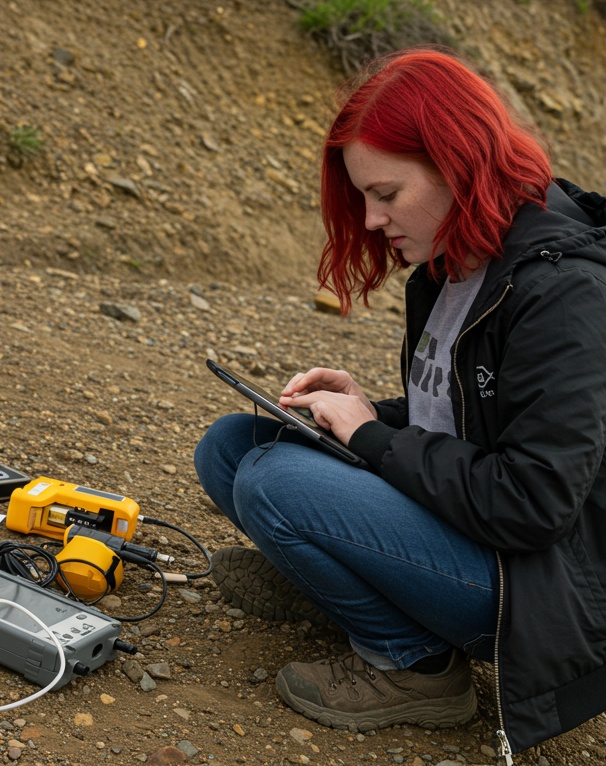
Exploration and applied geophysics -Università di Pisa
Officially founded in 1343, the University of Pisa has deep roots in Italian and European history. Its origins probably date back to the eleventh century. In the twelfth century Pisa already boasted a “Universitas” in the original sense of the word: a community of students and lecturers. Leonardo Fibonacci, the famous mathematician who introduced Greek geometry and Arabic mathematics to Europe, worked here.
In 1343, Pope Clement VI’s bull In Supremae Dignitatis officially recognised the University as a Studio Generale, granting it unique privileges and autonomy that were only afforded to other European cities such as Prague and Heidelberg.

Food Industry Engineering -Università di Padova
The University of Padua was established in 1222, after a group of students and teachers decided to come here from Bologna. They set up a free body of scholars, who were grouped according to their place of origin into nationes, in which students approved statutes, elected the rettore (rector, or chancellor) and chose their teachers, who were paid with money the students collected. Defending freedom of thought in study and teaching became a distinctive feature which today lives on in the University motto: Universa Universis Patavina Libertas.
The introduction of empirical and experimental methods together with the teaching of theory marked the dawn of a golden age. In the 16th and 17th centuries, Padua became a workshop of ideas and the home to figures who changed the cultural and scientific history of humanity. They included Andrea Vesalio, who founded modern anatomy, as well as the astronomer Copernicus, and Galileo, who observed the skies here.
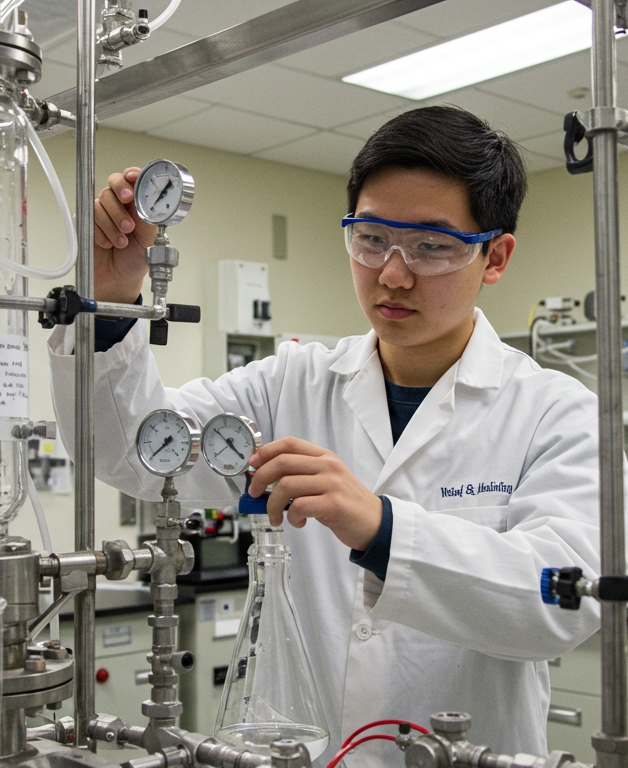
Biotechnologies for food science -Università di Padova
The University of Padua was established in 1222, after a group of students and teachers decided to come here from Bologna. They set up a free body of scholars, who were grouped according to their place of origin into nationes, in which students approved statutes, elected the rettore (rector, or chancellor) and chose their teachers, who were paid with money the students collected. Defending freedom of thought in study and teaching became a distinctive feature which today lives on in the University motto: Universa Universis Patavina Libertas.
The introduction of empirical and experimental methods together with the teaching of theory marked the dawn of a golden age. In the 16th and 17th centuries, Padua became a workshop of ideas and the home to figures who changed the cultural and scientific history of humanity. They included Andrea Vesalio, who founded modern anatomy, as well as the astronomer Copernicus, and Galileo, who observed the skies here.

Agrifood Innovation Management -Università di Trento
Founded in 1962, the University of Trento has focused on building alliances and partnerships with Italian and foreign institutions and organizations. In 1982, the Free University of Trento was transformed into a state university, with a statute that guaranteed self-governance.

Agrifood sustainability -Università di Pavia
The University of Pavia is a campus of 26,000 students deeply integrated with a medium-sized city, uncrowded, where everything you need is within a fifteen-minute walk. Here, it’s easier to meet to learn, work, and live, thanks to short distances and the quality of services for the student community.

Food Science and Technology -Università di Torino
The University of Turin is one of the most ancient and prestigious Italian Universities.
Hosting almost 80.000 students (2021-2022 academic years) and with 120 buildings in different areas in Turin and in key places in Piedmont, the University of Turin can be considered as “city-within-a-city”, promoting culture and producing research, innovation, training and employment.
The University of Turin is today one of the largest Italian Universities, open to international research and training. It carries out scientific research and organizes courses in all disciplines, except for Engineering and Architecture. It is an integral part of the community, acting for reviving urban and suburban areas, promoting cultural interaction, social integration and development, encouraging dialogue and insight into current realities.

Environmental and Food Economics -Università Statale di Milano
The University of Turin is one of the most ancient and prestigious Italian Universities.
Hosting almost 80.000 students (2021-2022 academic years) and with 120 buildings in different areas in Turin and in key places in Piedmont, the University of Turin can be considered as “city-within-a-city”, promoting culture and producing research, innovation, training and employment.
The University of Turin is today one of the largest Italian Universities, open to international research and training. It carries out scientific research and organizes courses in all disciplines, except for Engineering and Architecture. It is an integral part of the community, acting for reviving urban and suburban areas, promoting cultural interaction, social integration and development, encouraging dialogue and insight into current realities.

Global Environment and Development -Università Statale di Milano
The University of Turin is one of the most ancient and prestigious Italian Universities.
Hosting almost 80.000 students (2021-2022 academic years) and with 120 buildings in different areas in Turin and in key places in Piedmont, the University of Turin can be considered as “city-within-a-city”, promoting culture and producing research, innovation, training and employment.
The University of Turin is today one of the largest Italian Universities, open to international research and training. It carries out scientific research and organizes courses in all disciplines, except for Engineering and Architecture. It is an integral part of the community, acting for reviving urban and suburban areas, promoting cultural interaction, social integration and development, encouraging dialogue and insight into current realities.

Forest Sciences -Università di Padova
The University of Padua was established in 1222, after a group of students and teachers decided to come here from Bologna. They set up a free body of scholars, who were grouped according to their place of origin into nationes, in which students approved statutes, elected the rettore (rector, or chancellor) and chose their teachers, who were paid with money the students collected. Defending freedom of thought in study and teaching became a distinctive feature which today lives on in the University motto: Universa Universis Patavina Libertas.
The introduction of empirical and experimental methods together with the teaching of theory marked the dawn of a golden age. In the 16th and 17th centuries, Padua became a workshop of ideas and the home to figures who changed the cultural and scientific history of humanity. They included Andrea Vesalio, who founded modern anatomy, as well as the astronomer Copernicus, and Galileo, who observed the skies here.

Sustainable and Natural Resource Management -Università Statale di Milano
Also known as ‘La Statale’, the University of Milan is, relatively speaking, one of Italy’s younger university institutions. It was founded in 1924 thanks to the tenacious efforts of doctor and gynaecologist Luigi Mangiagalli, who in creating La Statale, realised his long-held dream of building a university for Lombardy’s regional capital.

Digital Skills for Sustainable Societal Transitions -Politecnico di Torino
Politecnico di Torino was the first Italian Engineering School founded in the wave of the technical and scientific innovation that gave rise to the most prestigious European polytechnic schools in the mid-19th century. Founded as School for Engineers in 1859, it then became Regio Politecnico di Torino in 1906. Engineers, architects, designers and urban planners have been trained at Politecnico di Torino for over 160 years with rigor, integrity and high-level standards.
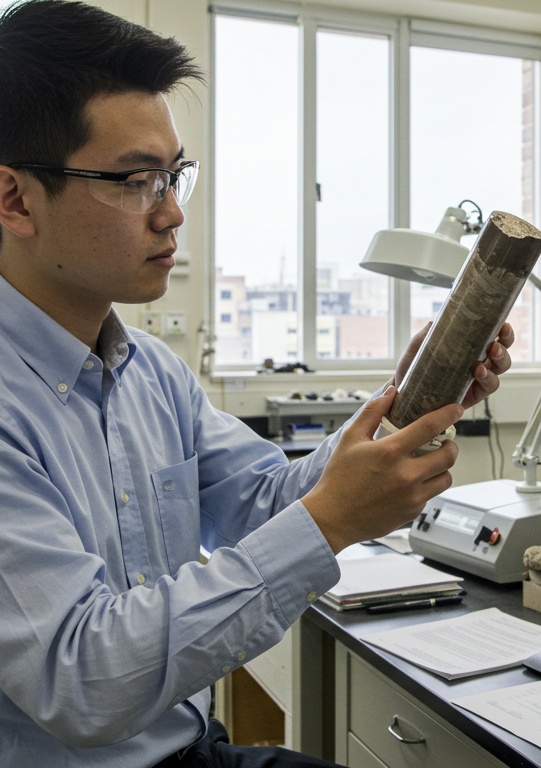
Georesoursces and Geoenergy Engineering -Politecnico di Torino
Politecnico di Torino was the first Italian Engineering School founded in the wave of the technical and scientific innovation that gave rise to the most prestigious European polytechnic schools in the mid-19th century. Founded as School for Engineers in 1859, it then became Regio Politecnico di Torino in 1906. Engineers, architects, designers and urban planners have been trained at Politecnico di Torino for over 160 years with rigor, integrity and high-level standards.

Water and Geological Risk Engineering -Università di Padova
The University of Padua was established in 1222, after a group of students and teachers decided to come here from Bologna. They set up a free body of scholars, who were grouped according to their place of origin into nationes, in which students approved statutes, elected the rettore (rector, or chancellor) and chose their teachers, who were paid with money the students collected. Defending freedom of thought in study and teaching became a distinctive feature which today lives on in the University motto: Universa Universis Patavina Libertas.
The introduction of empirical and experimental methods together with the teaching of theory marked the dawn of a golden age. In the 16th and 17th centuries, Padua became a workshop of ideas and the home to figures who changed the cultural and scientific history of humanity. They included Andrea Vesalio, who founded modern anatomy, as well as the astronomer Copernicus, and Galileo, who observed the skies here.

Sustainable Agriculture -Università di Padova
The University of Padua was established in 1222, after a group of students and teachers decided to come here from Bologna. They set up a free body of scholars, who were grouped according to their place of origin into nationes, in which students approved statutes, elected the rettore (rector, or chancellor) and chose their teachers, who were paid with money the students collected. Defending freedom of thought in study and teaching became a distinctive feature which today lives on in the University motto: Universa Universis Patavina Libertas.
The introduction of empirical and experimental methods together with the teaching of theory marked the dawn of a golden age. In the 16th and 17th centuries, Padua became a workshop of ideas and the home to figures who changed the cultural and scientific history of humanity. They included Andrea Vesalio, who founded modern anatomy, as well as the astronomer Copernicus, and Galileo, who observed the skies here.

Earth and Climate Dynamics -Università di Padova
The University of Padua was established in 1222, after a group of students and teachers decided to come here from Bologna. They set up a free body of scholars, who were grouped according to their place of origin into nationes, in which students approved statutes, elected the rettore (rector, or chancellor) and chose their teachers, who were paid with money the students collected. Defending freedom of thought in study and teaching became a distinctive feature which today lives on in the University motto: Universa Universis Patavina Libertas.
The introduction of empirical and experimental methods together with the teaching of theory marked the dawn of a golden age. In the 16th and 17th centuries, Padua became a workshop of ideas and the home to figures who changed the cultural and scientific history of humanity. They included Andrea Vesalio, who founded modern anatomy, as well as the astronomer Copernicus, and Galileo, who observed the skies here.

Sustainable Chemistry and Technologies -Università Cà Foscari di Venezia
Founded in 1868 as the first School of Commerce in Italy, Ca’ Foscari University has welcomed a dynamic academic community for over 150 years in the heart of Venice. Constantly innovating its educational offer, Ca’ Foscari guarantees excellence and multidisciplinary learning, as confirmed by its rankings in national and international league tables and its impressive post-graduation employment rates.
Economics and Technologies for Sustainability -Università Bicocca di Milano
Founded in 1998, the University of Milano-Bicocca has grown rapidly to become a central figure in the higher education and research landscape. The University’s modernity is reflected in its innovative approach to teaching and its commitment to fostering an inclusive and future-oriented academic environment.
Located in the northern part of the city, in an area specifically designed as an educational and research hub, the University benefits from state-of-the-art facilities and a strategic location. The Bicocca district has been designed to integrate educational institutions, research centres and industry, creating an ecosystem that fosters collaboration and innovation.

Sustainable Polymer and Process Chemistry -Università di Genova
The University of Genova was founded in 1481 in Genoa, Italy. The University has become one of the scientific and cultural centres of the Mediterranean and Northwestern Italy. In addition to working together with IIT, the Italian Institute of Technology, it is at the forefront in Europe with the education it provides and research in the field of computer science.
Genova is also a port city. Since shipping is highly developed in the city, departments in this field step forward at the university and these departments have achieved higher successes in their fields.
MASTER’S DEGREES IN ARCHITECTURE

Economics and Technologies for Sustainability -Università di Genova
The University of Genoa was founded in 1481 in Genoa, Italy. The University has become one of the scientific and cultural centres of the Mediterranean and Northwestern Italy. In addition to working together with IIT, the Italian Institute of Technology, it is at the forefront in Europe with the education it provides and research in the field of computer science.
Genova is also a port city. Since shipping is highly developed in the city, departments in this field step forward at the university and these departments have achieved higher successes in their fields.

Architecture Construction City -Politecnico di Torino
Politecnico di Torino was the first Italian Engineering School founded in the wave of the technical and scientific innovation that gave rise to the most prestigious European polytechnic schools in the mid-19th century. Founded as School for Engineers in 1859, it then became Regio Politecnico di Torino in 1906. Engineers, architects, designers and urban planners have been trained at Politecnico di Torino for over 160 years with rigor, integrity and high-level standards.

Architecture for Heritage -Politecnico di Torino
Politecnico di Torino was the first Italian Engineering School founded in the wave of the technical and scientific innovation that gave rise to the most prestigious European polytechnic schools in the mid-19th century. Founded as School for Engineers in 1859, it then became Regio Politecnico di Torino in 1906. Engineers, architects, designers and urban planners have been trained at Politecnico di Torino for over 160 years with rigor, integrity and high-level standards.

Architecture for Sustainability -Politecnico di Torino
Politecnico di Torino was the first Italian Engineering School founded in the wave of the technical and scientific innovation that gave rise to the most prestigious European polytechnic schools in the mid-19th century. Founded as School for Engineers in 1859, it then became Regio Politecnico di Torino in 1906. Engineers, architects, designers and urban planners have been trained at Politecnico di Torino for over 160 years with rigor, integrity and high-level standards.

Management of Built Environment -Politecnico di Milano
Founded in 1863 by Francesco Brioschi, the Politecnico di Milano has played a crucial role in the scientific and technological development of the country. Over time, it has expanded its territorial presence, establishing direct contact with local communities. At the same time, it has established relationships and alliances with the leading international technological universities. Today, Politecnico di Milano is recognized as a centre of excellence in Engineering, Architecture and Design.

Product and Service Design -La Sapienza University
Founded in 1303 by Pope Boniface VIII, La Sapienza is one of the oldest Italian universities. In the seven centuries since its foundation, it has been at the centre of the history of Rome and the entire country; first as a university linked to the Popes, then as an autonomous Studium Urbis, gradually extending its academic prestige to new disciplines, both scientific and humanistic, and moving from its seat in Trastevere to the Sapienza building in the Sant’Eustachio district and then to current Main Campus. Today, thanks to a large campus just a few steps away from Termini central station and several branches in the metropolitan area, Sapienza is a proper research university where you can research and study in all academic areas, placed among the top Italian universities in the main international rankings.

Interior and Spatial Design -Politecnico di Milano
Founded in 1863 by Francesco Brioschi, the Politecnico di Milano has played a crucial role in the scientific and technological development of the country. Over time, it has expanded its territorial presence, establishing direct contact with local communities. At the same time, it has established relationships and alliances with the leading international technological universities. Today, Politecnico di Milano is recognized as a centre of excellence in Engineering, Architecture and Design.

Food and Health -Università di Padova
The University of Padua was established in 1222, after a group of students and teachers decided to come here from Bologna. They set up a free body of scholars, who were grouped according to their place of origin into nationes, in which students approved statutes, elected the rettore (rector, or chancellor) and chose their teachers, who were paid with money the students collected. Defending freedom of thought in study and teaching became a distinctive feature which today lives on in the University motto: Universa Universis Patavina Libertas.
The introduction of empirical and experimental methods together with the teaching of theory marked the dawn of a golden age. In the 16th and 17th centuries, Padua became a workshop of ideas and the home to figures who changed the cultural and scientific history of humanity. They included Andrea Vesalio, who founded modern anatomy, as well as the astronomer Copernicus, and Galileo, who observed the skies here.